
2026-10-12 ·
Why Do Mice Enter Minnesota Homes During Winter?
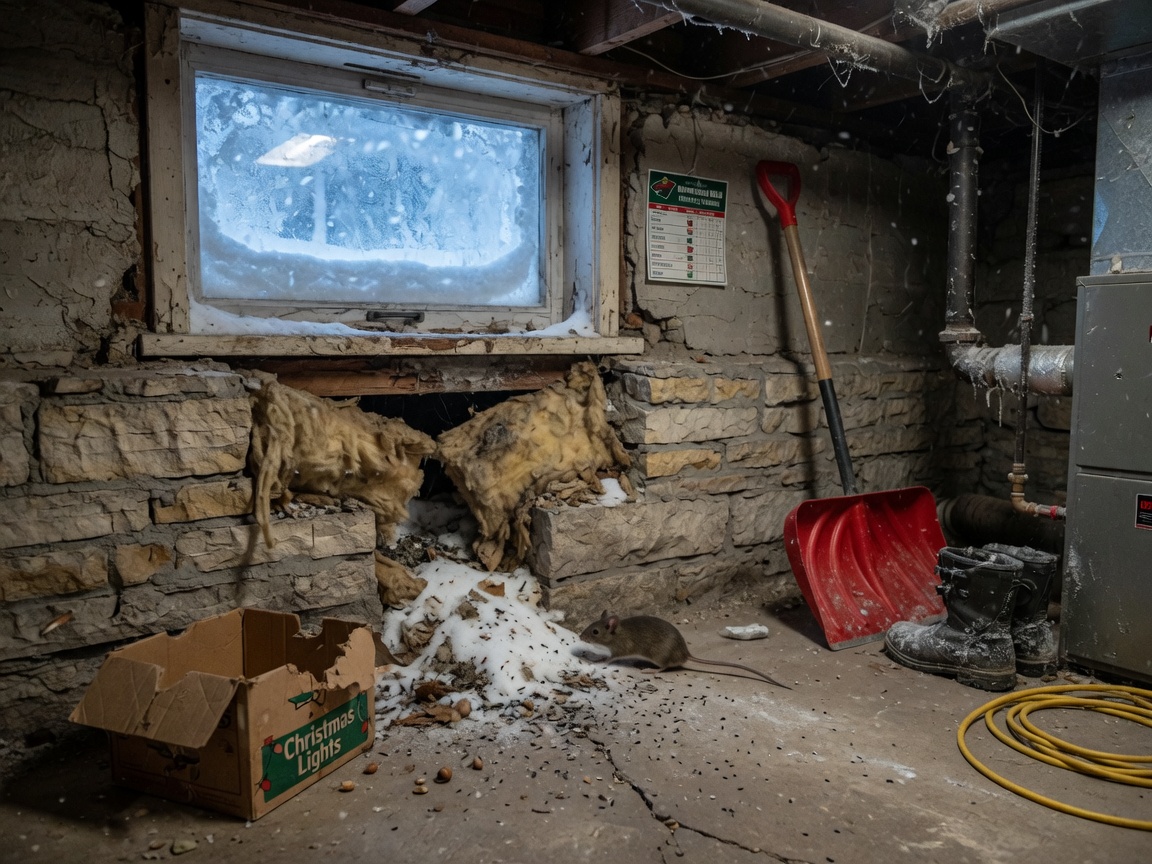
Mice enter Minnesota homes during winter primarily for survival, driven by the harsh humid continental climate with very cold winters that makes outdoor living untenable. As temperatures plummet, often well below freezing in Itasca County, mice instinctively search for warmer environments, readily available food sources, and safe harborage to breed. This seasonal migration is a predictable pattern we see year after year, affecting properties from Downtown Grand Rapids to Northeast Grand Rapids. These small rodents, typically house mice (Mus musculus) or deer mice (Peromyscus maniculatus), can squeeze through incredibly small openings, sometimes as tiny as 1/4 inch, making even well-maintained homes susceptible to invasion.
The Call of Warmth and Shelter
The most compelling reason mice seek indoor refuge is the extreme cold. Grand Rapids experiences brutal winters, and without the insulation of snow or thick burrows, mice face certain death from exposure. Your home, with its consistent indoor temperatures, becomes an irresistible haven. Older homes, common around the Mississippi River and Grand Rapids City Park, often have more gaps, cracks, and deteriorating foundations, providing easy entry points. These structures, built decades ago, may not have the tight seals of newer constructions, allowing mice to exploit small openings around pipes, utility lines, or even under doors. Once inside, they quickly establish nests in undisturbed areas like attics, wall voids, and basements, which offer both warmth and protection from predators.
The Quest for Food and Water
Beyond warmth, the availability of food and water is a significant draw. As natural vegetation dies off or becomes covered in snow, outdoor food sources for mice dwindle dramatically. Your pantry, kitchen, and even pet food bowls become a readily accessible buffet. Mice are opportunistic feeders, consuming a wide variety of items, and they don't need much to survive. A single mouse can eat 3–4 grams of food per day. Homes near agricultural fields or even residential areas with bird feeders can be particularly attractive. While they can get some moisture from food, accessible water sources like leaky pipes or condensation also play a role in their decision to stay indoors. This constant search for sustenance often leads them to explore every nook and cranny of your home.
Breeding and Population Expansion
Winter also marks a critical period for mouse reproduction. Inside a warm, safe home with consistent food, mice can breed year-round, leading to rapid population growth. A female mouse can have 5–10 litters per year, with 3–14 pups per litter. This prolific breeding means that a small initial invasion can quickly escalate into a full-blown infestation. The protection offered by indoor environments from predators like owls, foxes, and coyotes, which are common in the Itasca County wilderness surrounding Grand Rapids, further enhances their survival rates. Understanding this reproductive cycle is crucial for effective Mouse Infestation Treatment, as simply trapping a few visible mice won't address the underlying population problem.
Common Entry Points in Grand Rapids Homes
Mice are incredibly resourceful when it comes to finding ways inside. We frequently find them entering through: gaps around utility lines where pipes or wires penetrate exterior walls; cracks in foundations and unsealed expansion joints; damaged or ill-fitting door sweeps and garage door seals; openings around windows and vents, especially those leading to attics or crawl spaces; and even through the roof if there are gaps under eaves or damaged soffits. Homes in Northeast Grand Rapids, with their mix of older and newer construction, present a variety of challenges. It's not just about obvious holes; a mouse can flatten its body to squeeze through openings that seem impossibly small. Regular inspection of your home's exterior, particularly as fall transitions into winter, is a vital preventative measure.
Signs of a Winter Mouse Invasion
Even if you haven't seen a mouse, there are clear indicators they've moved in. Keep an eye out for mouse droppings, small, dark pellets often found near food sources, in drawers, or along baseboards. You might hear scratching sounds in walls and ceilings during quiet hours, especially at night when mice are most active. Gnaw marks on food packaging, wooden structures, or even wiring are another tell-tale sign of their presence and potential damage. A musky odor, particularly in enclosed spaces like pantries or cabinets, can also indicate a significant mouse population. If you're noticing these signs, it's time to consider professional Mouse Removal and Trapping Services. For more detailed information, you can also refer to our article on 7 Signs You Have Mice in Your Minnesota Home.